An independent analytical laboratory
Quantyralab exists for one reason: to tell people exactly what is inside the product they are about to use. We run pharmaceutical-grade instrumentation, we answer to no manufacturer, and we treat every sample as confidential.
Method QL-PEP-01 · HPLC-UV · LC-MS/MS · ICP-MS · LAL
Analytical chemists, not resellers
The laboratory was founded by analytical chemists who spent years in pharmaceutical quality control and grew tired of watching consumers buy injectable products with no idea of their content, purity or sterility. We started with a single HPLC system and a simple rule: publish the number the instrument produces, whatever it is.
Today we run a full analytical suite covering peptides, anabolic preparations, SARMs, contaminants, elemental impurities and unknown substances submitted for harm-reduction purposes. Samples arrive from private individuals, clinics, compounders and manufacturers on five continents.
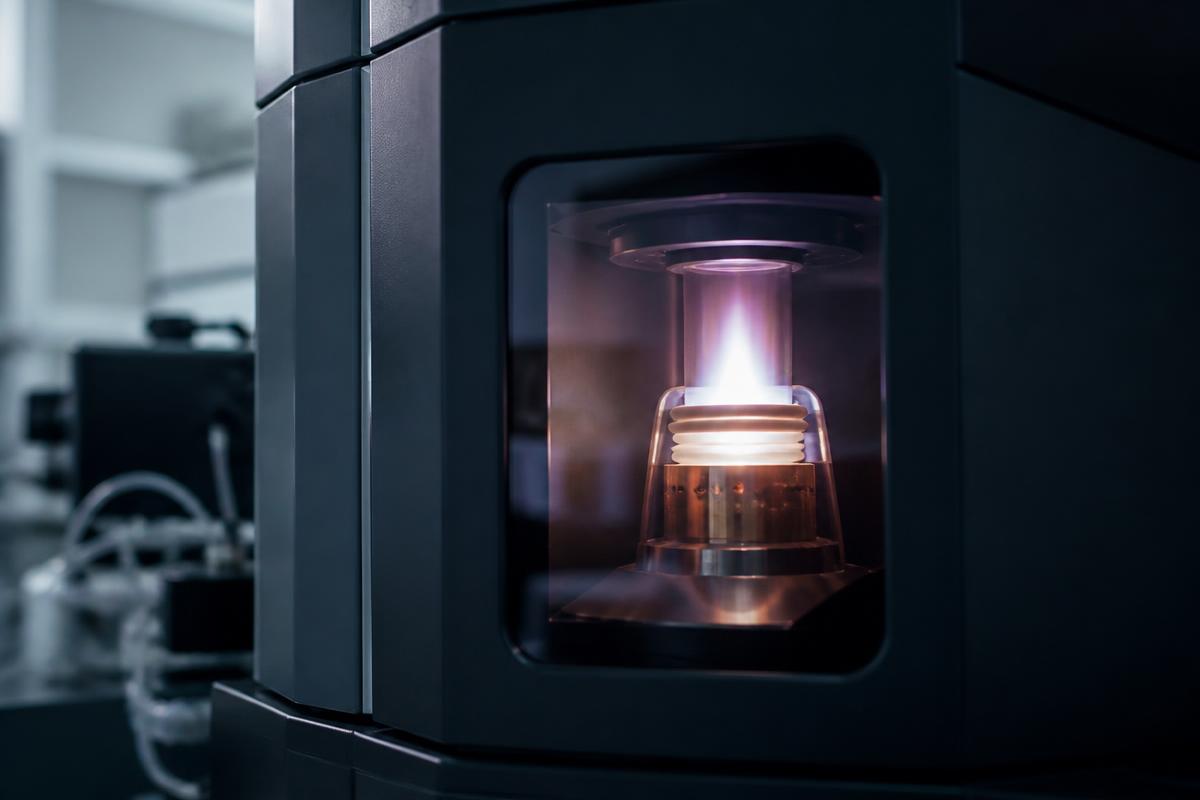
Every result names the instrument behind it
No result is issued without the raw analytical evidence to support it.
01
HPLC-UV / DAD
Two reversed-phase systems with diode-array detection for quantitative content and purity determination, calibrated daily against certified reference standards.
02
LC-MS/MS (triple quadrupole)
Identity confirmation, impurity profiling and trace-level targeted screening down to 0.05% w/w for fentanyl and nitazene analogs.
03
GC-MS & headspace GC
Oil-based preparations, esters, carrier solvents and class 1/2 residual solvents quantified against ICH Q3C limits.
04
ICP-MS
Elemental impurity screening for lead, arsenic, cadmium, mercury, nickel and chromium, reported in ppb against ICH Q3D parenteral limits.
05
Kinetic chromogenic LAL reader
Bacterial endotoxin quantification with a limit of quantification of 0.005 EU/mL, evaluated against USP <85> injectable limits.
06
Lyophiliser & microbiology suite
Class II biosafety cabinet, membrane filtration sterility testing and total aerobic/yeast-mould counts.
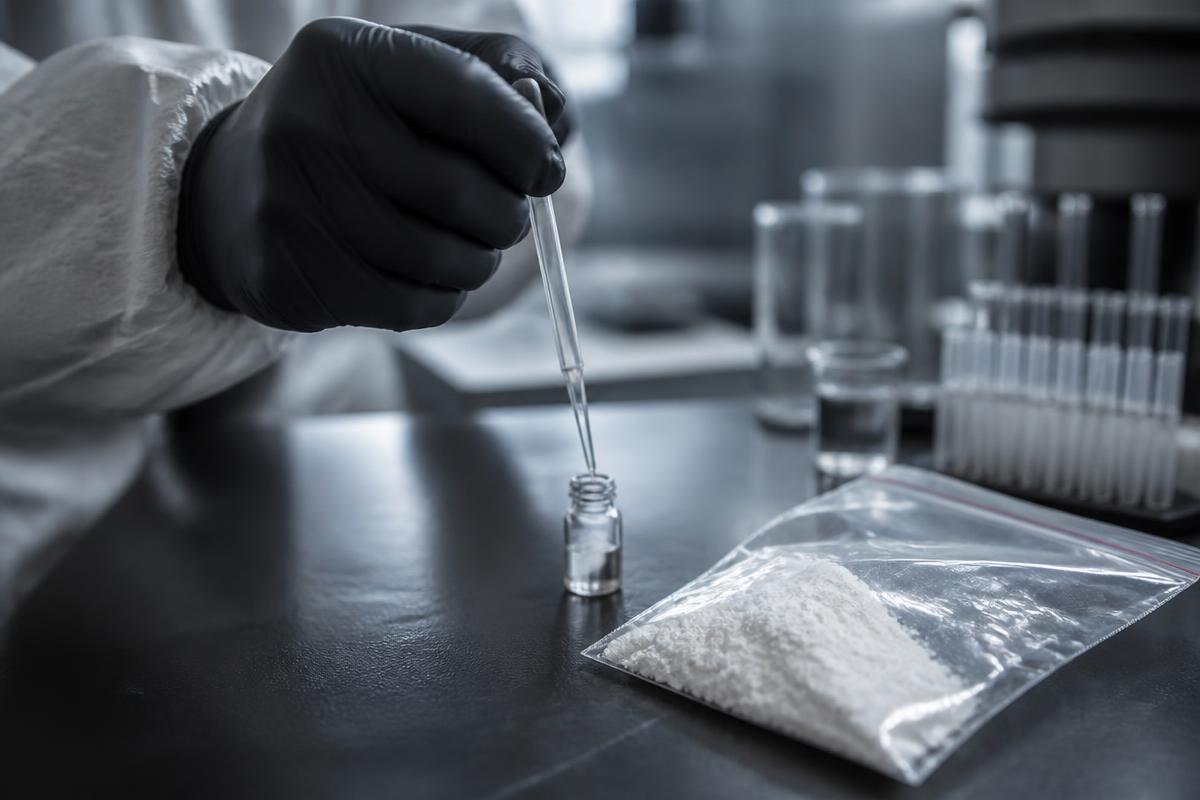
How a number becomes a certificate
Chain of custody
Each incoming parcel is photographed sealed, weighed and logged against an anonymous task number. Aliquots are tracked from intake to disposal, and retained for 90 days in case a re-test is requested.
Reference standards
Quantification is performed against pharmacopoeial or certified analytical standards with documented lot numbers and purity. Calibration curves are re-run for every analytical batch, not reused between days.
Duplicate injection & QC
Every sample is injected in duplicate with a blank and a mid-curve QC standard bracketing the run. Results outside ±2% between injections are automatically repeated.
Independent by design
We sell nothing but analysis. We hold no stake in any manufacturer, reseller or brand, we accept no advertising, and no client can influence a result or have an unfavourable report suppressed.
Confidentiality policy
Discretion is not an add-on here, it is the default. We do not maintain a public results database, we do not publish client names, and we never sell, share or hand over sample data. Your report lives behind a single verification key printed on the certificate — without that key the report cannot be found, listed or searched by anyone, including other clients.
Ordering requires only an alias and an email address. Packaging arrives unbranded, correspondence is plain, and retained aliquots are destroyed after 90 days.